
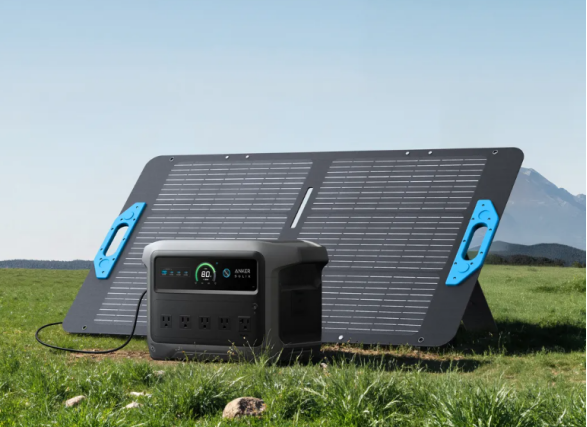
Outdoor adventures often come with a growing list of power demands, from keeping phones charged to running lights, coolers, or even small appliances. Folding solar panels have emerged as a practical solution, offering portable and renewable energy without the need for fuel or fixed installations. While they look simple on the surface, these panels rely on efficient technology and smart design to meet outdoor power needs. Understanding how folding solar panels work helps explain why they’re so effective for camping, RV travel, and off-grid use.
How Do Folding Solar Panels Generate and Deliver Power Outdoors?
To see their real value, it’s useful to break down how folding solar panels capture sunlight, convert it into electricity, and power outdoor devices in real-world conditions.
Capturing Sunlight with Advanced Solar Cells
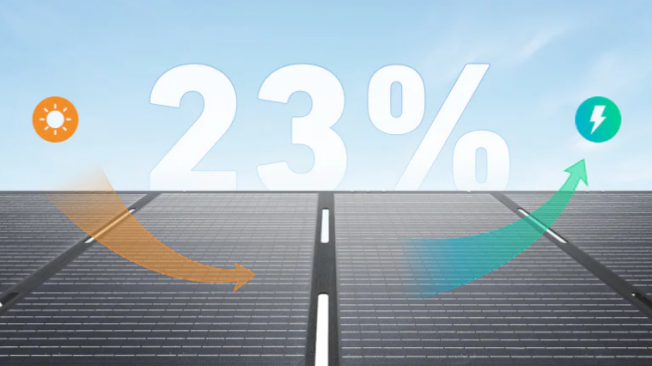
At the core of folding solar panels are photovoltaic cells, most commonly monocrystalline cells known for their high efficiency. When sunlight hits these cells, it excites electrons and generates direct current (DC) electricity. Modern folding panels often achieve conversion efficiencies of up to 23%, meaning more usable power from a smaller surface area. This is especially helpful outdoors, where space and sunlight conditions can vary. Panels like those in the Anker SOLIX series are designed to perform efficiently even during partial sunlight, making them reliable throughout the day.
Converting Solar Energy into Usable Electricity
The electricity generated by folding solar panels is DC power, which is suitable for charging batteries and portable power stations. For outdoor setups, panels typically connect to a power station rather than directly to devices. The power station regulates voltage, stores energy in its internal battery, and converts it to alternating current (AC) if needed. This setup allows users to run multiple devices consistently, even when clouds pass or sunlight fades. Some smaller folding panels also include USB ports for direct charging of phones and tablets.
Optimizing Output with Adjustable Angles
Unlike fixed solar systems, folding solar panels are designed to be repositioned easily. Many models include built-in kickstands with multiple angle settings, commonly 30°, 40°, 50°, or 80°. Adjusting the panel angle helps align it more directly with the sun, significantly improving energy capture. This flexibility is crucial outdoors, where the sun’s position changes throughout the day, and terrain may not always be level. Angle adjustment allows campers and RV users to maximize power generation without complex equipment.
Portability without Sacrificing Durability
Folding solar panels are built for frequent setup and takedown. Their segmented, foldable design allows them to collapse into compact forms for easy transport and storage. At the same time, they’re made to withstand outdoor conditions. Weather-resistant or waterproof ratings, such as IP65 or IP67, protect the panels from rain and splashes. Durable surface coatings like ETFE help resist scratches and wear, ensuring long-term performance even during rugged trips.
Seamless Connections for Outdoor Systems
To ensure stable power delivery, folding solar panels commonly use MC4 connectors, which are designed for high conductivity and minimal energy loss. These connectors securely link panels to power stations and extension cables, reducing the risk of disconnection during use. Some systems also include adapters, making it easy to connect to different power station models. This plug-and-play design simplifies outdoor power setups, even for beginners.
Supporting a Wide Range of Outdoor Power Needs
Once connected to a power station, folding solar panels can support a variety of outdoor uses. From charging smartphones and cameras to powering lights, fans, and portable refrigerators, the system scales with panel wattage and battery capacity. Higher-wattage folding panels are well-suited for RVs and base camps, while smaller models handle essential devices during hikes or weekend trips.
Conclusion
Folding solar panels work by efficiently capturing sunlight, converting it into usable electricity, and delivering flexible power solutions for outdoor environments. Their combination of advanced solar cells, adjustable positioning, durable construction, and easy connectivity makes them especially effective for camping and RV travel. Whether paired with a portable power station or used for direct device charging, folding solar panels provide reliable, clean energy wherever adventure leads.