
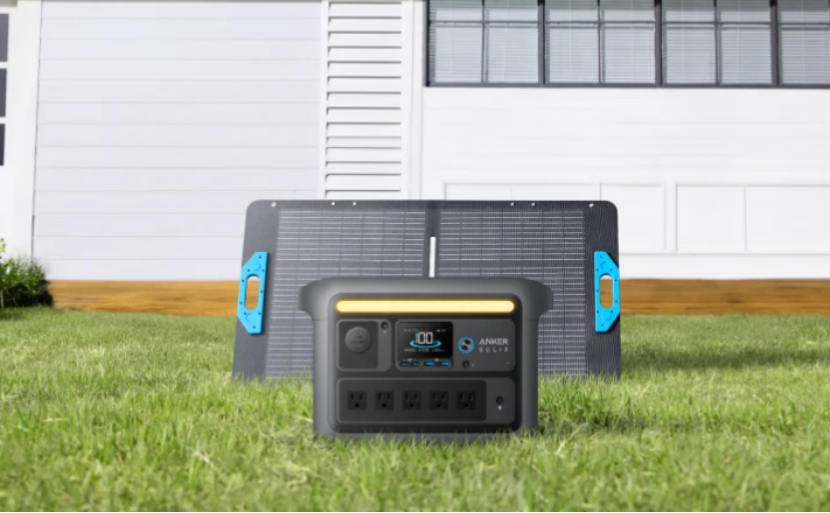
Outdoor travel has changed. Travelers no longer rely only on flashlights and paper maps. Phones, GPS devices, cameras, drones, and portable refrigerators now travel with us into the wild. All these tools need power. That is why camping solar panels have become essential gear for campers, hikers, van lifers, and RV travelers. A camping solar panel gives you freedom. You charge devices without fuel, noise, or emissions. You stay connected while staying off-grid. But not every solar panel works well outdoors. Size, wattage, durability, and charging speed all matter. Choosing the wrong one leads to slow charging, heavy packs, or damaged equipment. This buying guide helps outdoor travelers choose the right camping solar panel. It explains power needs, panel types, and the most important features for travel use. Whether you hike for days, camp on weekends, or live on the road, this guide helps you make a smart choice and avoid common mistakes.
What Size and Wattage Camping Solar Panel Do You Need?
Choosing the right size and wattage is the most important step. Many travelers buy panels that are either too weak or unnecessarily large. Understanding power needs saves money and frustration.
Understanding wattage, voltage, and amperage
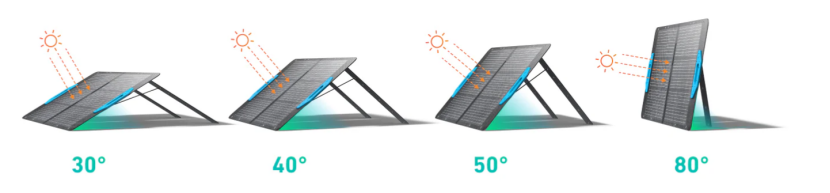
Wattage measures how much power a solar panel produces. Higher wattage means faster charging and the ability to power larger devices. Most camping solar panels range from 10W to 200W. Voltage and amperage also matter. Voltage determines compatibility with devices and power stations. Amperage affects charging speed. Together, these values control how efficiently energy moves from the panel to your gear. Sunlight conditions change constantly outdoors. Trees, clouds, and panel angle reduce output. A 100W panel rarely produces 100W all day. Travelers should plan for real-world output, not lab numbers. Adding a safety margin helps ensure reliable charging during trips.
Matching power output to common outdoor devices
Start by listing what you plan to charge. Phones and headlamps need little power. Laptops, cameras, and drones need more. Coolers, CPAP machines, and power stations need the highest output. For light travel or backpacking, panels between 20W and 60W often work well. They keep phones, GPS units, and small batteries charged. For car camping and overlanding, 80W to 120W offers faster charging and more flexibility. RV travelers often choose 150W or higher for daily power needs. Think about how often you recharge. Occasional top-ups need less wattage. Daily charging requires more output. Always match the panel to your travel style, not just the device list.
Types of Camping Solar Panels and How They Compare
Camping solar panels come in different designs. Each type suits a different kind of traveler. Understanding these differences helps you choose wisely.
Foldable solar panels vs portable rigid panels
Foldable solar panels are popular with travelers. They fold into compact shapes and fit easily into backpacks or vehicle storage. Many include built-in stands, pockets, and charging ports. They work well for short trips and mobile setups. Portable rigid panels offer higher durability and stable output. They perform better in fixed camps and vehicle-mounted setups. However, they take more space and weigh more. They suit travelers who stay in one location longer or mount panels permanently. Choose foldable panels for flexibility and portability. Choose rigid panels for long stays and higher efficiency in stable setups.
Monocrystalline vs polycrystalline efficiency differences
The modern camping solar pannel use monocrystalline cells. These cells convert sunlight more efficiently and perform better in low-light conditions. They also take less space for the same power output. Polycrystalline panels cost less but produce slightly less power. They require more surface area and struggle more in shaded conditions. For outdoor travel, efficiency matters more than small price differences. Monocrystalline panels usually offer better performance for campers who rely on limited sunlight and changing weather.
What Features Matter Most for Outdoor and Travel Use?
Power output alone does not define a good camping solar panel. Outdoor conditions demand smart design and durable materials.
Portability, weight, and packed size for travelers
Weight matters, especially for hikers and minimalist travelers. A lighter panel reduces fatigue and allows longer trips. Packed size also affects storage space in backpacks and vehicles. Look for panels that fold neatly and include handles or attachment points. Some panels clip onto backpacks to charge while walking. Others stand easily near tents or vehicles. A portable design saves time during setup and breakdown. Travelers benefit from panels that deploy quickly without complex frames or tools.
Durability, weather resistance, and build quality
Outdoor gear faces dust, rain, heat, and rough handling. Camping solar panels must survive these conditions. Look for weather-resistant materials and reinforced edges. Water resistance protects panels during rain and morning dew. Scratch-resistant surfaces improve long-term performance. Strong stitching and solid connectors prevent failure in the field. Panels used outdoors should handle temperature changes without warping or cracking. Durability often matters more than appearance when you rely on solar power far from help.
Conclusion
A camping solar panel is more than a gadget. It is a tool that supports safety, comfort, and independence outdoors. Choosing the right one depends on how you travel, what you power, and where you go. Start by understanding your energy needs. Match wattage to real-world usage, not marketing claims. Choose a panel type that fits your travel style. Focus on efficiency, portability, and durability rather than unnecessary extras. Outdoor conditions are unpredictable. A well-chosen solar panel adapts to shade, weather, and movement. It keeps essential devices running and reduces reliance on fuel or fixed power sources. With the right camping solar panel, outdoor travelers gain freedom. You explore farther, stay longer, and enjoy the journey without worrying about running out of power.