
Facebook's mobile experience has undergone significant improvements, making it quicker, smarter, and more user-friendly than before. Developers are working on improving how people interact, share, and stay informed on their phones. Facebook fine-tuned features based on user behavior and device trends to improve usability and speed. From UI modifications to algorithm adjustments, mobile users now have a more seamless, intuitive platform. These developments reflect Facebook's efforts to dominate mobile social networking. This article delves deeply into what makes Facebook stronger on mobile in 2025.
Why Is Facebook Better on Mobile in 2025?
Lightweight App Versions for Speed and Accessibility
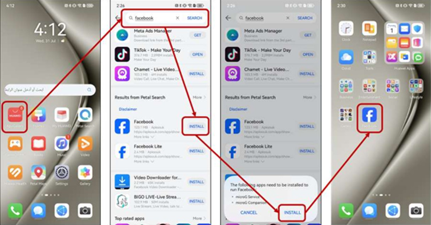
Facebook continues to win in areas with sluggish internet by offering a smooth experience while using less bandwidth. It loads quicker, requires less memory, and retains essential functionality such as News Feed, Messenger, and alerts. These lightweight versions are appropriate for older phones and people who want a straightforward interface. This enhanced performance means that Facebook functions smoothly even on entry-level cellphones, therefore extending its worldwide user base. Those using Huawei devices often search for how to install facebook in huawei to access these versions.
Personalized News Feed & Smart Algorithms
Facebook's algorithm now reacts in real time to user choices, displaying more relevant information and suppressing less engaging articles. It refines the News Feed based on surfing history, loved pages, time spent watching, and interactions. This makes scrolling more rewarding because users can view the most important changes. The algorithm emphasizes close friends, favored creators, and popular local tales. Sponsored material is more seamlessly integrated and less invasive, catering to user preferences. This tailored strategy maintains high engagement and user retention, particularly on mobile, where time is restricted. The smarter algorithm encourages consumers to return numerous times each day.
Dark Mode and UI Enhancements
Dark Mode is both practical and attractive. Eye strain is decreased, OLED displays use less electricity, and the visual experience is attractive. In Facebook's mobile app, you may adjust your device settings to match system themes. Round buttons, simpler menus, and clearer iconography are more UI enhancements. This modernizes and improves the app's one-handed functionality. Microanimations and haptic feedback improve engagement. With these design modifications, mobile Facebook now seems lighter and more fluid. It's both practical and appealing, enhancing the user experience.
What New Features Improve Mobile Usability?
Improved Notification Management
Facebook's smartphone alerts are now easier to manage. In peaceful periods, users may turn off group updates, filter friend requests, or turn off all alerts. The redesigned notification window categorizes mentions, tags, birthdays, and events. Alerts may now be long-pressed to change settings immediately. This lowers clutter and stress by granting them more notification control. Smarter alerts display only relevant prompts. Facebook simplifies and personalizes alerts to educate consumers while being unobtrusive, so as to improve their mobile experience.
In-App Navigation and Gesture Controls
Facebook's revamped bottom navigation bar makes it easier to access critical capabilities. Users get faster access to features while switching between Home, Reels, Groups, and Marketplace. Swipe movements are now enabled for rapid tab switching and returning to the previous screen. The in-app back gesture removes the need to press external buttons, which speeds up interaction. The search feature is also smarter and more user-friendly, with predictive suggestions and filters. Everything is simplified to save time and enhance efficiency. These gesture-based innovations eliminate friction, giving the impression that the app is integrated into the phone's native system. Navigation has been more intuitive than ever before.
Enhanced Video and Story Playback
Backend improvements help videos and stories load quicker and play more smoothly. Adaptive streaming guarantees little buffering, even on mobile connections. Facebook now automatically adapts video quality based on network circumstances, without stopping viewing. Users may respond, react, and share material while watching on the same screen. Stories have enhanced swipe transitions and autoplay behavior, which keeps users interested. Captions, playback speed adjustment, and full-screen toggles provide users with versatility. These updates improve the experience of watching videos on mobile devices. For artists and viewers alike, Facebook's mobile video experience now competes with major platforms such as YouTube and TikTok.
Conclusion
Facebook in 2025 emphasizes mobile-first design to elevate everyday interactions. Updates focus on speed and responsiveness, reducing load times and enhancing app performance for smoother scrolling and navigation. Video experiences have been optimized so that playback buffers more efficiently and plays back without interruptions. Interface enhancements like gesture controls and native dark mode support make browsing more comfortable and intuitive. Lightweight app architecture keeps content easily accessible even on slower connections, while streamlined UI updates improve content delivery flow. Together, these mobile-centered updates ensure Facebook remains engaging, fast, and user-friendly on smartphones.