

Energy storage has moved beyond a niche technology, becoming a practical option for households seeking backup power for lights, devices, and appliances. Falling prices, better batteries, and simpler setups have made these systems more accessible than ever. What once required complex installations can now be achieved with compact, user-friendly solutions suited for homes, apartments, or travel. Understanding why now is a standout time to invest can help households make informed, valuable decisions. This article outlines the key reasons why solar power storage is especially worth considering today.
1. Lower Costs Than Ever
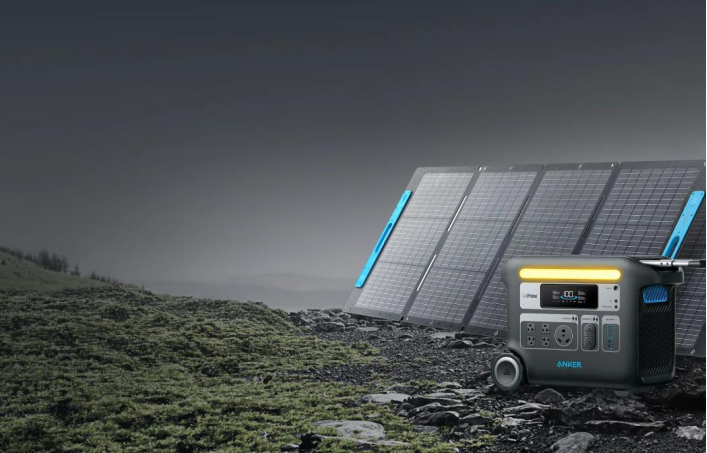
The cost of solar panels and battery storage has fallen sharply over the past decade, making backup power more accessible to average households. Manufacturing advances and broader adoption have lowered prices per watt, while batteries have grown more efficient and durable. Portable systems, in particular, allow families to start small and expand gradually—avoiding large upfront investments. Take compact high-capacity units like those in the Anker SOLIX lineup: they offer substantial storage and strong AC output, supporting multiple essential devices without the cost of a permanent installation. With expandable batteries and fast recharging, they suit everyday uses from apartments to road trips. Today, lower prices and flexible designs mean solar storage offers competitive value against traditional fuel-based backup.
2. Government Incentives Available
Tax credits and rebates reduce your cost
Financial incentives in many regions help offset the initial cost of installing solar panels and energy storage systems. These programs may include tax credits, rebates, or utility-based rewards that reduce the effective purchase price. Even a modest percentage reduction can make a noticeable difference for families budgeting for home improvements. Incentives often apply not only to large rooftop systems but also to battery storage that improves energy resilience. Checking local eligibility can reveal opportunities that make solar storage more affordable than expected. Taking advantage of these programs can shorten the time it takes for energy savings to balance out upfront expenses.
Some programs are time-limited
Many incentive programs are not permanent and may change as funding levels or participation targets are reached. This means waiting too long could result in missing out on financial support that is available today. Some rebates decrease gradually over time, rewarding earlier adopters with higher savings. Planning a purchase while incentives are still active can significantly improve long-term return on investment. Households that delay may still benefit from solar storage, but potentially at a higher net cost. Understanding timelines encourages timely decisions instead of indefinite postponement.
3. Rising Electricity Bills
Grid power costs keep increasing
Electricity prices have shown a steady upward trend in many areas, affecting monthly household budgets. Even small rate increases can add up over the course of a year, especially for homes that rely heavily on air conditioning, heating, or electric cooking. As energy demand grows and infrastructure ages, price volatility can become more common. Solar panels paired with storage allow households to rely less on expensive grid electricity during peak times. Generating and storing energy locally provides a buffer against unpredictable rate changes. Over time, this can translate into meaningful savings and more stable energy expenses.
Solar storage locks in lower energy rates
When sunlight is converted into stored electricity, that energy can be used later instead of purchasing power at higher peak rates. This effectively locks in a lower cost per unit of energy, based on the initial system investment rather than fluctuating utility prices. Battery systems make it possible to use solar power after sunset, during cloudy periods, or when rates are highest. For households on time-of-use billing plans, this shift can significantly reduce monthly bills. The ability to store energy also increases the value of every kilowatt-hour produced by solar panels. Over the lifespan of the system, these savings can help offset equipment costs.
4. Better Technology Available
Batteries last longer and store more power
Modern battery technologies have improved in both lifespan and energy density, allowing more storage in smaller and lighter packages. Lithium iron phosphate batteries, for example, are known for their stability and long cycle life compared to older chemistries. This means systems can be charged and discharged thousands of times before noticeable capacity loss occurs. Higher storage capacity in compact units makes it practical to power refrigerators, communication devices, and medical equipment during outages. Improvements in design also enhance safety, with better thermal management and protective circuitry. These advancements make today’s storage systems more reliable for everyday household use.
Smart systems optimize energy use
Energy storage is no longer just a large battery connected to a few outlets. Many systems now include intelligent management features that track usage patterns and optimize charging and discharging. Mobile apps and built-in displays allow users to monitor input, output, and remaining capacity in clear watts units. Smart controls can prioritize essential devices, helping stored energy last longer during an outage. Some systems also integrate smoothly with home solar arrays, automatically charging when sunlight is strongest. These digital tools make solar storage easier to manage without technical expertise.
5. Energy Independence Growing
Reduce reliance on unstable grids
Power outages caused by storms, equipment failures, or maintenance work can disrupt daily life without warning. Having stored solar energy available reduces dependence on the grid during these events. Essential items such as lighting, internet equipment, and refrigeration can continue operating even when utility service is down. This added resilience is especially valuable for households with children, elderly members, or medical devices that require continuous power. Solar storage provides a sense of security by ensuring that basic needs remain covered. Greater independence from the grid also offers peace of mind during uncertain conditions.
Prepare for more frequent power outages
Extreme weather and higher energy demand have contributed to more frequent and longer-lasting outages in some areas. Solar storage systems help households prepare in advance instead of scrambling for solutions during an emergency. Charged batteries can be ready at all times, silently waiting in the background until needed. Unlike fuel generators, they require no refueling trips or fuel storage. This convenience makes them practical not only for emergencies but also for outdoor gatherings, home projects, and travel. Being prepared ahead of time reduces stress when unexpected disruptions occur.
Conclusion
Solar power storage has reached a point where affordability, performance, and practicality align for everyday households. Lower equipment costs, available financial incentives, rising utility prices, and improved battery technology all contribute to stronger long-term value. Modern systems are easier to use, safer, and more flexible than earlier generations, fitting naturally into both homes and mobile lifestyles. As energy needs continue to grow, having a reliable way to store and use self-generated electricity becomes increasingly beneficial. For many households, current conditions make this an especially sensible time to move from interest to action.